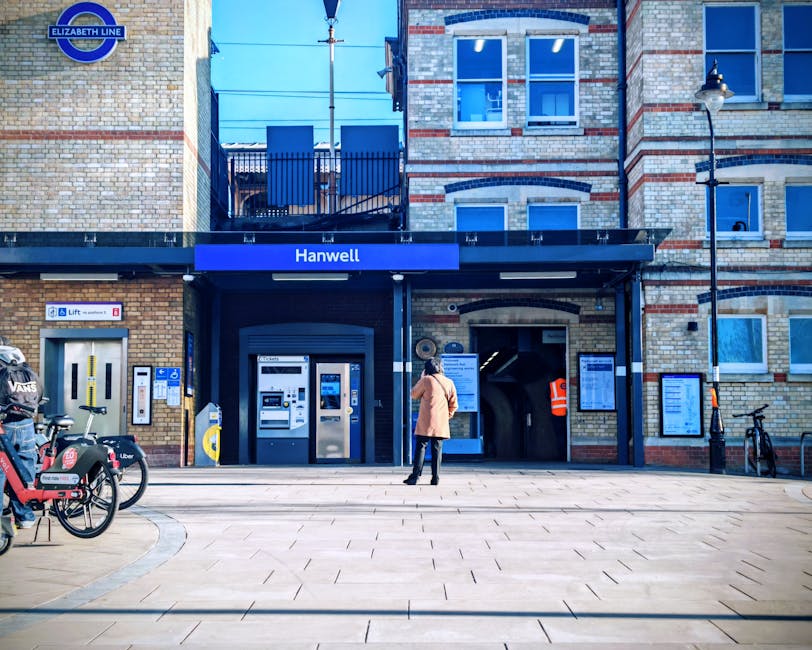
Ealing Council permit rules for moving vans and removals: a practical local guide
If you are planning a move in Ealing, the permit side of the job can feel oddly stressful. The boxes are one thing; the parking, loading bay access, yellow lines, and council restrictions are another. And if you are dealing with a narrow street, a permit-controlled bay, or a block with awkward access, the rules around moving vans and removals can make the difference between a calm move and a messy one.
This guide explains the essentials of Ealing Council permit rules for moving vans and removals in plain English. You will learn why the rules matter, how they usually work in practice, what to check before move day, and how to avoid the common mistakes that catch people out. I will also show where a removals company, a man with van service, or a larger vehicle such as a moving truck can change the permit picture quite a bit.
To be fair, not every move needs council permission. But when it does, it is much easier to sort out early than to discover the problem with a van idling outside your front door and nowhere legal to stop. That sort of morning is no one's idea of fun.
Table of Contents
- Why Ealing Council permit rules for moving vans and removals matters
- How Ealing Council permit rules for moving vans and removals works
- Key benefits and practical advantages
- Who this is for and when it makes sense
- Step-by-step guidance
- Expert tips for better results
- Common mistakes to avoid
- Tools, resources and recommendations
- Law, compliance, standards, or best practice
- Options, methods, or comparison table
- Case study or real-world example
- Practical checklist
- Conclusion
- Frequently asked questions
Why Ealing Council permit rules for moving vans and removals Matters
The short version? Parking is part of the move. If your removals vehicle cannot legally stop close enough to the property, everything slows down. A sofa takes longer to carry. A washing machine gets harder to move safely. More trips are needed. More time means more cost and, frankly, more stress.
Ealing has the same basic challenges that many London boroughs have: busy roads, limited kerb space, controlled parking zones, residents' bays, loading restrictions, and the occasional road layout that seems designed by someone who has never moved house in their life. If your van is too large for a normal space, or if it needs to load from a restricted stretch of road, a permit or special parking arrangement may be needed.
That matters for homeowners, tenants, landlords, and businesses alike. A small flat move may only need a short loading stop. A full house removal, office relocation, or piano move can require much more careful planning. If you are organising home moves or booking house removals, the permit question should be checked early, not left as an afterthought.
It also matters because moving day is already full of moving parts. There are keys, stairwells, lift bookings, fragile items, timing windows, and people who suddenly remember they packed the kettle in the last box. A permit issue in the middle of that? No thanks.
Key takeaway: In Ealing, the parking and loading plan is not just logistics. It is part of the move itself, and getting it right can save time, money, and a lot of last-minute panic.
How Ealing Council permit rules for moving vans and removals Works
In practice, the rules usually revolve around where the vehicle can stop, for how long, and what kind of bay or road marking is in place. The exact process depends on the street, the vehicle size, and whether the move is residential or commercial. The important thing is that "I only need ten minutes" is not a legal strategy. It's a hope. Different thing entirely.
Here is the usual logic behind local permit requirements:
- If the van can use a legal loading area without causing an obstruction, a separate permit may not be needed.
- If the property sits within a controlled parking zone or on a road with restrictions, special permission may be needed to pause, load, or unload.
- If the vehicle must occupy a bay for longer than normal loading allowances, a bay suspension or parking dispensation may be the relevant route.
- If the move involves a block, estate, or private access road, separate building or managing-agent rules may also apply.
The council side is only one layer. Building management, landlords, and neighbours can affect the plan too. A ground-floor flat on a quiet road is one thing. A fifth-floor flat on a tight street outside a school run route is another. If you are looking at flat removals, think about access with almost annoying levels of detail. It pays off.
For some moves, especially smaller ones, a service like man and van can be easier to fit into limited street space. For larger jobs, removal services with a bigger team and vehicle may need more planning, but they also tend to handle loading efficiency better. The vehicle size can influence where it can be parked, how much room it needs, and how long it occupies the roadside.
Another thing people miss: a permit does not magically create room where there is none. If the street is already full, you still need a workable loading plan. A permit is permission to use space, not a guarantee that the space will be there at 8:00 on the dot.
Key Benefits and Practical Advantages
Sorting the permit side early gives you more than compliance. It makes the move smoother in ways that are easy to underestimate until the day arrives.
- Shorter loading times: The van can often park closer, so fewer trips are needed.
- Lower risk of fines or penalties: You avoid the obvious headache of parking enforcement issues.
- Less physical strain: A shorter carry distance helps protect furniture, walls, and people.
- Better schedule control: If the vehicle has a planned space, the crew can work more predictably.
- Cleaner access planning: It is easier to coordinate lifts, key handovers, and arrival windows.
There is also a trust benefit. If you are comparing removal companies, the ones that ask sensible questions about parking, bay restrictions, and access are usually the ones thinking beyond the basic quote. That is a good sign. A very good sign, actually.
One more practical advantage: careful permit planning can help you avoid overbooking time. If your van is parked legally and near the entrance, the whole job tends to feel more under control. And people notice that. Even the neighbour who has been watching from behind the curtain.
Who This Is For and When It Makes Sense
This topic matters most if any of the following sound familiar:
- You live on a restricted street or in a controlled parking zone.
- You are moving from a flat, maisonette, or apartment building.
- You have large furniture, delicate items, or a heavy item such as a piano.
- You are arranging a same-day or time-sensitive move.
- You are moving an office and need a vehicle to stop near the building.
It also makes sense for students moving in and out of shared houses, people using storage, and anyone who expects a van to sit outside for a while. For example, a student move from a top-floor flat with narrow stairs is very different from moving a few boxes from a driveway. If that sounds like your situation, student removals may be a more practical fit than trying to improvise on the day.
Commercial moves need a different level of planning again. If a reception desk, desks, boxes, or IT equipment is involved, vehicle access becomes part of business continuity. For those, commercial moves and office removals are usually worth assessing with the access constraints in mind from the start.
And if you are simply unsure whether your move counts as "simple" or "complicated", that is usually a sign to check the parking rules. In moving, uncertainty tends to become expensive rather quickly.
Step-by-Step Guidance
Here is a practical way to approach the permit side without turning your move into a bureaucratic marathon.
- Check the address and street layout. Look at whether the property sits on a controlled road, a narrow residential street, or near a loading restriction.
- Identify the vehicle size. A small van, medium van, and larger removals lorry can have very different parking needs.
- Ask whether loading is possible. Can the van stop close enough for safe lifting and unloading? If not, you may need a different arrangement.
- Review timing windows. Some streets are fine at certain times and difficult at others. School runs and rush hours can change everything.
- Confirm any building rules. Flats, estates, and office blocks may have their own access instructions, lift bookings, or management approvals.
- Book the right vehicle. Choosing between a removal van and a larger truck should be based on volume, access, and road space, not just price.
- Build in a buffer. Moving day rarely follows the neat timeline in your head. A little slack helps.
- Keep documents and contacts ready. If there is a permit confirmation, parking note, or building instruction, have it easy to access.
One useful habit: walk the route from the van stop to the front door before moving day if you can. You will spot low branches, steps, awkward kerbs, and bins left out in the exact wrong place. Sounds minor. It rarely is.
If your move includes awkward access or heavier items, it may be sensible to pair permit planning with packing support or specialist handling. Services like packing and boxes and packing and unpacking services can save time on the day, especially when the parking window is tight.
Expert Tips for Better Results
After enough moves, a few patterns become obvious.
First, never assume the road outside your property is "good enough". Sometimes it is. Sometimes it is a loading restriction with a lovely little yellow line that ruins your morning. Check the actual street conditions, not just the postcode.
Second, think like the driver. Can the vehicle pull in and out cleanly? Is there room to open doors? Can the crew unload without blocking the whole street? These are not small questions.
Third, keep the vehicle choice aligned with access. A bigger lorry can be more efficient for volume, but a smaller setup can sometimes be easier in tighter roads. That balance matters a lot in Ealing's busier residential areas.
Fourth, use the move as a chance to reduce clutter. Less volume means a smaller vehicle, less roadside time, and often a simpler permit arrangement. If you have furniture you no longer need, furniture removals or furniture pick up can make the whole job feel lighter.
Fifth, keep communication simple. One person should own the parking plan. If two or three people are making assumptions, things get muddled fast. Honestly, that is where a lot of avoidable mistakes begin.
If you are moving out of a house with a long driveway, you may not need much of this. But if you are moving from a terraced street or a block with limited access, permit planning is not optional. It is just part of the job.
Common Mistakes to Avoid
These are the errors that trip people up most often:
- Leaving parking planning until the night before. By then, options can be limited.
- Assuming loading rules are the same as parking rules. They are not always the same thing.
- Booking the wrong size vehicle. Too small means extra trips; too large may be awkward or unnecessary.
- Forgetting building restrictions. Lifts, entry codes, or access booking windows can matter just as much as the street.
- Not checking where the van will physically stand. A legal stop still has to be workable.
- Failing to plan for delays. Traffic, weather, and late key releases happen. London, after all.
There is also a quieter mistake: not asking questions because you assume they are obvious. They are not. How far is the carry? Is there a loading bay? Is there a bay suspension? Can the vehicle wait? Who is responsible for the permit? These are the boring questions that save the day.
If you are comparing firms, it can help to read the fine print carefully. A clear terms and conditions page is often a sign that the business expects to deal with real-world logistics, not just the nice bits.
Tools, Resources and Recommendations
You do not need fancy software to get this right. A simple, practical toolkit works best.
- Street photos: Take a few pictures of the front of the property, the road width, and any obvious restrictions.
- Floor plans or access notes: Handy for flats, offices, and properties with awkward entrances.
- A moving inventory: Helps you match van size to actual volume.
- Notes on time windows: Key collection, building access, lift booking, and parking arrangements should all sit together.
- Insurance details: Useful if you are moving valuable or fragile items.
It can also help to choose a removals provider that explains the process clearly and is comfortable answering access questions without making you feel silly for asking. Good operators do that all the time. If you need reassurance on cover and handling, insurance and safety information is worth reviewing before you book.
If the move is not happening in one go, or if access is especially difficult, storage can be a sensible pressure-release valve. Truth be told, sometimes breaking a move into two stages is calmer than trying to force everything through one cramped window.
And if you want a closer look at how a provider presents itself, the about us page can be useful for understanding how the business thinks about service, safety, and customer care. It sounds simple, but it helps.
Law, Compliance, Standards, or Best Practice
Moving vans and removal vehicles are usually subject to local parking controls, traffic restrictions, and general road rules. The exact permit route can vary by street and by the nature of the stop, so it is best to treat official guidance as the final word for your specific location. Here, the safest approach is to speak in terms of best practice rather than assuming one universal rule fits every road in Ealing.
From a compliance point of view, the main concerns are straightforward:
- Do not block traffic or pavements.
- Do not ignore signed loading restrictions.
- Do not assume a brief stop is automatically permitted.
- Make sure the vehicle can load safely without causing damage or obstruction.
- Keep to any building, estate, or management requirements as well as street-level rules.
For removals businesses, good practice usually means planning ahead, confirming access, carrying out safe lifting, and keeping customers informed about realistic timing. If you are arranging a serious move, especially one involving awkward access or fragile items, working with experienced removal companies can reduce the chances of compliance issues becoming a day-of problem.
In short, the safest route is simple: check the street, check the building, check the vehicle, and leave enough time. Not glamorous. But effective.
Options, Methods, or Comparison Table
Different moving setups suit different streets. Here is a straightforward comparison to help you choose the right approach.
| Approach | Best for | Parking and permit impact | Practical note |
|---|---|---|---|
| Small man and van | Light moves, studio flats, quick collections | Often easier to fit into tighter streets | May suit simple access, but may need more trips |
| Medium removal van | Typical one- to two-bedroom moves | Balanced size for many residential roads | A common choice when access is manageable but not generous |
| Larger moving truck | Full-house or commercial moves | May need more careful loading permission | Efficient for volume, less forgiving on narrow streets |
| Split move with storage | Difficult access, staggered handovers, renovation timing | Can reduce pressure on a single loading window | Useful when the move cannot happen in one neat go |
If you are unsure which route fits your situation, the access question usually decides it. A small vehicle is not always the right answer, and a bigger vehicle is not always the better one. It depends on the road, the load, and the timings. Simple as that, really.
Case Study or Real-World Example
Imagine a couple moving from a second-floor flat on a residential street in Ealing. The furniture is modest, but the road is narrow and parking is tight by mid-morning. They originally planned to use a large van because it seemed cheaper per trip. On paper, that made sense.
Once they checked the street conditions more carefully, the plan changed. A larger vehicle would have struggled to stop close enough without making the unloading awkward. Instead, they went with a smaller setup and booked the team for an earlier arrival, before the street became busier. They also packed the heavy books and kitchenware first, which made the loading sequence faster. The result? Less lifting, less street time, and a calmer move.
It was not a dramatic story. No hero music, no miracle. Just better planning. And that is usually what makes a move feel smooth.
We have seen the same pattern with office moves too. A business that checks bay access, lift availability, and arrival timing in advance tends to avoid the classic scramble where staff are carrying boxes across a busy pavement while someone mutters about the parking ticket machine. Not ideal.
Practical Checklist
Use this checklist a few days before move day:
- Confirm the full moving address and access points.
- Check whether the street has parking controls or loading restrictions.
- Decide whether a permit, bay suspension, or loading dispensation may be needed.
- Measure the volume of belongings and choose the right vehicle size.
- Confirm lift bookings, stair access, and any building rules.
- Prepare a clear loading plan for heavy or fragile items.
- Keep confirmation details in one easy-to-find place.
- Allow time for traffic, delayed key handover, and unexpected holds-ups.
- Notify neighbours or building management if required.
- Review insurance and safety details before the crew arrives.
If you are moving fragile items, awkward furniture, or a heavy instrument, it can help to speak to specialists. A dedicated piano removals service, for example, may be the safer route than trying to squeeze a delicate move into a general-purpose plan.
And if you are not fully settled yet, a combination of removals, packing help, and short-term storage can make the whole process much more manageable. That flexibility is often what saves people from chaos at the end.
Get a free quote today and see how much you can save.
Conclusion
Ealing Council permit rules for moving vans and removals are not something to leave until the last minute. The right parking plan can save time, prevent disruption, and make the move feel far more controlled. The wrong one can create avoidable stress before the first box is even lifted.
The good news is that this is manageable. Check the street, confirm access, match the vehicle to the job, and keep building or landlord rules in the mix. That simple sequence covers most of the common problems. Not all of them, but most.
If you are planning a move in Ealing, the smartest approach is to treat parking and access as part of the service, not a side issue. When those details are sorted, everything else tends to flow a little better. And on moving day, that little bit of calm matters more than people expect.
In the end, a smoother move is often just a better-planned one.
Frequently Asked Questions
Do I always need a permit for a moving van in Ealing?
No, not always. If the van can stop legally and safely without breaking local parking restrictions, a permit may not be needed. The key is the actual street layout, signage, and any loading controls near the property.
What is the difference between a parking permit and a loading permit?
A parking permit is generally about allowing a vehicle to occupy a controlled space, while loading arrangements relate to stopping briefly to load or unload. The rules can differ, so do not assume one covers the other.
How far in advance should I check the rules?
As early as possible, ideally once your move date is confirmed. A few days is better than the day before, but more lead time gives you better options if the street is tight or the vehicle size needs changing.
Does a removals company handle the permit for me?
Some do help with the planning, but not every provider handles every part of the permit process. Always ask what is included so you are not relying on assumptions. Clear answers here are a good sign.
Can a man and van service work on a restricted street?
Yes, sometimes it can, because smaller vehicles may be easier to place in tighter spaces. That said, restrictions still apply. A smaller van is helpful, but it is not a free pass.
What if my flat has no nearby parking?
Then you may need to plan a longer carry distance, a better arrival time, or a different loading arrangement. If the route from the van to the door is long, it may be worth discussing a more suitable vehicle or staged move.
Are office moves treated differently from home moves?
Often, yes. Office moves can involve different access windows, building management rules, and larger volumes of equipment. They are usually more sensitive to timing, especially if the move must happen outside business hours.
Will a permit guarantee a space outside my house?
Not necessarily. A permit gives permission to use a controlled space or arrangement, but it does not mean no one else will be occupying the road. That is why timing and arrival planning still matter.
What happens if the van cannot stop near the property?
The crew may need to carry items further, use an alternative loading point, or adjust the move plan. That can increase time and effort, which is why access checks are worth doing early.
Is it worth booking storage if access is difficult?
Yes, in some cases. If you are dealing with delays, staggered handovers, or awkward parking, storage can reduce pressure and let you move in a more controlled way. It is not always needed, but it can be very useful.
How do I choose between a removal van and a larger truck?
Think about volume, access, and the road outside your property. A larger truck may be efficient for a big job, but a smaller van can be better on tighter streets. The right choice is the one that fits both the belongings and the location.
What should I check on move day itself?
Make sure the van can park where planned, the route is clear, and building access is ready. If anything has changed overnight, sort it early rather than waiting until the crew is already unloading. A five-minute check can save an hour.