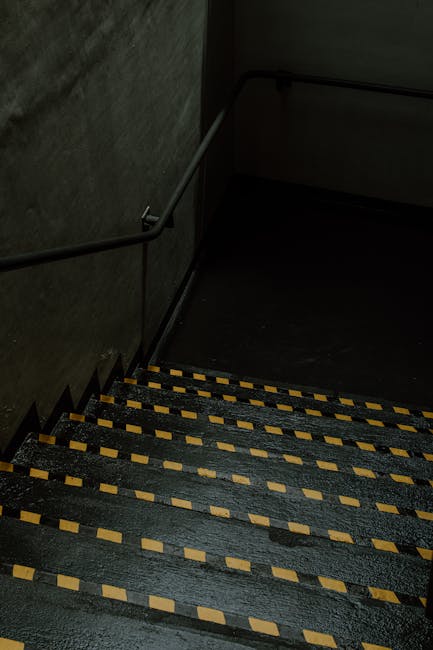
Access and stairs problems for basement flats removals in W5

Basement flat moves can look simple on paper and then turn into a bit of a puzzle the moment you arrive at the front door. Narrow steps, low ceilings, tight turns, parked cars, shared hallways, old railings, awkward garden paths - the whole thing can slow a removal right down if nobody has planned for it properly. That is why access and stairs problems for basement flats removals in W5 deserve real attention before moving day, not a quick glance the night before.
If you are moving out of, or into, a basement flat in W5, you are probably already wondering how the team will get sofas, wardrobes, mattresses, washing machines, and boxes in and out without damage or delay. Fair question. This guide walks through the practical side of the job: what usually goes wrong, how good planning changes the outcome, and what you can do to make the move smoother, safer, and less stressful for everyone involved.
In our experience, the difference between a chaotic basement move and a tidy one is rarely brute strength. It is access planning. The stairs matter. The angles matter. Even the weather can matter if there is an external path with slick paving. Let's get into the detail.
- Why access and stairs problems matter
- How basement flat removals are handled
- Key benefits of proper planning
- Who this is for
- Step-by-step guidance
- Expert tips for better results
- Common mistakes to avoid
- Tools, resources and recommendations
- Law, compliance, standards, or best practice
- Options, methods, or comparison table
- Case study or real-world example
- Practical checklist
- Conclusion
- Frequently asked questions
Why Access and stairs problems for basement flats removals in W5 Matters
Basement flats are often some of the trickiest properties to move in London. W5 has plenty of homes where street parking is limited, front steps are steep, and the staircase into the flat is narrow enough to make a dining table feel suddenly enormous. If the access route is not checked properly, a move can become slower, more expensive, and more likely to lead to damage.
This matters for three practical reasons. First, time: every extra trip up and down stairs adds minutes, and those minutes stack up fast. Second, safety: heavy lifting on steep or awkward stairs increases the risk of strain and accidental knocks. Third, protection: bannisters, walls, floor edges, and furniture corners are all vulnerable in a cramped move. Truth be told, the things people worry about most are often the things that are easiest to prevent with a bit of planning.
There is also the emotional side, which people do not always mention. Moving is already busy. If the entry route feels tight or uncertain, stress levels climb before the first box is even carried. A clear access plan brings a bit of calm back into the day, and that calm is worth quite a lot.
For readers comparing moving support more broadly, it may help to look at the wider service picture too, including removals and flat removals, because basement access often changes the type of team, vehicle, and loading method needed.
How Access and stairs problems for basement flats removals in W5 Works
At its simplest, a basement flat move works by turning a difficult route into a manageable one. That usually means assessing the property, measuring the main items, checking the stair width and headroom, identifying parking and loading access, and deciding how many movers and what equipment will be needed. Easy to say. Not always easy to do on the fly.
A good mover will usually think through the route from the room to the van, not just from the door to the pavement. That includes internal turns, external steps, low ceilings in older buildings, narrow shared hallways, and any points where furniture has to pivot or be carried at an angle. Basement properties can hide surprises - a long corridor, a steep descent, a split-level entry, or a doorway that looks generous until a wardrobe is tilted towards it.
In practical terms, the process often follows this pattern:
- Review the property details and item list.
- Check access routes, stairs, lifts if any, and parking options.
- Estimate whether standard carrying, dismantling, or special equipment is needed.
- Agree the crew size and van size.
- Protect stairs, banisters, floors, and door frames.
- Move items in a logical order so the route stays clear.
That may sound straightforward, but the devil really is in the details. One awkward fridge freezer can change the whole loading plan. One tight turn can mean a sofa has to be turned upright. And one unexpected parking restriction can add needless stress to the whole day.
If you are weighing up a broader move, the supporting service pages on home moves and house removals can help set expectations about how a move is planned from start to finish.
Key Benefits and Practical Advantages
Getting the access side right delivers more than convenience. It has a knock-on effect across the whole move, and you notice it most when things are tight.
1. Less risk of damage
Careful planning reduces knocks to walls, dents in furniture, and scrapes on bannisters. For basement flats, that matters because the route out is often the narrowest part of the job.
2. Better lifting control
When movers know the stair layout, they can choose safer carrying methods. That means better balance, fewer awkward twists, and less chance of something slipping at the wrong moment.
3. More accurate timing
Moves involving stairs usually take longer than people first expect. Once the access problem is understood, time estimates become much more realistic. No one likes being caught in a moving-day squeeze.
4. Smarter use of labour
A crew of two may be fine for a simple flat move, but a basement property with a long staircase or large furniture may need extra hands. Proper planning avoids under-resourcing the job.
5. Less stress for neighbours and building users
Careful movement through shared areas reduces disruption. That is especially helpful in converted properties where noise carries and access is communal.
6. Better handling of specialist items
Items like pianos, large wardrobes, or fragile glass cabinets need more than muscle. They need route planning too. If you are moving a difficult item, specialist services such as furniture removals or even piano removals may be relevant.
Expert summary: Basement flat removals are won or lost on access planning. Measure first, lift second. If the route is tight, the crew size, equipment, and timing should be adjusted before anyone starts carrying.
Who This Is For and When It Makes Sense
This topic is relevant to anyone moving in or out of a basement flat in W5, but some people benefit from the planning more than others.
You will especially need it if:
- your flat is below street level and only reached by stairs
- the staircase is narrow, steep, or turns sharply
- there is no lift, or the lift is too small for large items
- parking is limited close to the property
- you own heavy or fragile furniture
- the building has a shared entrance, hallway, or garden access route
- you are moving at short notice and need a practical plan fast
It also makes sense if you are comparing moving styles. For example, a simple van and driver arrangement may suit a small flat with easy access, but a basement move with awkward stairs is a different story. Something like a flexible man with a van option may work for lighter jobs, while larger or more complex moves may benefit from a fuller team.
There is no one-size-fits-all answer here. A basement studio with a few boxes is one thing. A two-bedroom flat with a sofa bed, bed frames, a washing machine, and a bulky bookcase is another thing entirely. Same postcode, different beast.
Step-by-Step Guidance
If you want a move to go smoothly, the steps need to happen in the right order. Not perfectly, just sensibly.
1. Walk the route before moving day
Start at the flat entrance and look at the full path to the van. Note every staircase, corner, doorway, and possible obstruction. If the path includes an external descent, check for slippery surfaces, broken paving, or uneven ground. A five-minute walk-through can save a half-hour headache later.
2. Measure the awkward items
Measure anything large: beds, wardrobes, sofas, dining tables, fridges, desks. Then compare those measurements with the stair width and doorway openings. If an item seems close to the limit, assume it may need dismantling or angle-carrying. That is not pessimism. It is realism.
3. Decide what should be dismantled
Some furniture is easier, safer, and quicker to move in pieces. Flat-pack beds, some wardrobes, certain desks, and modular shelving often benefit from being taken apart. Keep fixings in labelled bags. Future-you will be grateful when reassembly starts and nothing has mysteriously vanished into the universe.
4. Reserve enough time
Basement removals nearly always take longer than lift-served flats with level access. Build in breathing space, especially if parking is tight or the property has shared access. Rushing on stairs is how mistakes happen.
5. Protect the route
Use covers, blankets, floor protection, and stair guards where needed. Even a short stairwell can suffer from repeated contact with corners, especially if several heavy items are going through. This is one of those boring tasks that saves a lot of bother.
6. Load in the right order
Place heavier items where they are easier to reach and unload. Keep frequently needed items separate from the main pile. If there are items that must go last because of access, set them aside clearly. That avoids the classic "where did the kettle go?" moment.
7. Keep communication simple
One person should be clear about priorities, fragile items, and route restrictions. You do not need a committee. You need clear instructions, especially when movers are carrying through tight spaces and cannot stop every ten seconds for a debate.
If you need packing support too, the pages on packing and boxes and packing and unpacking services are useful for understanding how preparation can reduce stair-related delays.
Expert Tips for Better Results
Here is where a bit of field knowledge helps. Basement moves are less about power and more about calm judgement.
- Take photos of the entrance and stair route. A few clear pictures help identify pinch points before the crew arrives.
- Measure with the handles included. People often measure the body of a sofa but forget the extra few centimetres from arms, feet, or protruding back sections.
- Watch for moisture and dust. Basement access can be damp or dusty, particularly around older stairwells. Shoes, grips, and furniture bases can pick up dirt fast.
- Use two-person control on awkward items. Even a medium-sized object can become unstable on stairs if carried badly. No heroics, please.
- Keep a clear landing area. If the bottom of the stairs is cluttered, the whole process slows down. One clear space makes a big difference.
- Confirm parking before the van arrives. In W5, parking can be the hidden problem, not the stairs themselves.
- Plan for the return route as well. It is easy to focus on getting items out. Getting them into the new place safely matters just as much.
One small but useful tip: if your basement entrance is through a shared garden or side passage, check whether bins, bikes, or plant pots usually block the route. You would be surprised how often a move pauses for a wheelbarrow that should have been moved an hour earlier. Small thing. Big effect.
Common Mistakes to Avoid
Most basement move problems are predictable. That is the frustrating bit. They tend to happen because someone assumed the route would be "fine" without checking it properly.
Skipping the access survey. If nobody checks the stairway in advance, surprises arrive on moving day. Usually at the worst possible time.
Underestimating the size of items. A mattress may bend. A wardrobe may not. And not every sofa is as cooperative as it looks in the lounge.
Ignoring parking and unloading distance. Even a short extra walk from the van to the door can add strain when repeated many times.
Not protecting the building. Scratches to paintwork and rails are easy to create and annoying to sort out later.
Trying to move too much at once. Carrying several boxes because "we'll save time" sounds efficient. On stairs, it usually is not.
Leaving dismantling too late. If you find out on the day that a bed frame will not clear the stair turn, things get messy very quickly.
Forgetting the weather. Rain on exterior steps can turn a manageable route into a slippery one. London weather likes to keep everyone humble.
Choosing the wrong service level. For some jobs, basic transport is enough. For others, a more complete removal package is the safer choice. It depends on access, volume, and how fragile the contents are.
Tools, Resources and Recommendations
You do not need a shed full of specialist kit, but a few sensible tools make basement removals far smoother.
- Furniture blankets: help protect items and walls during tight turns
- Straps and grips: useful for stabilising heavier objects
- Tape and labels: make dismantled parts easier to keep together
- Stair and floor protection: reduces wear on shared or private access areas
- Torches or phone lights: handy for darker basement routes and evening moves
- Strong boxes: better for stackable, manageable loads on stairs
It also helps to use the right service pages when you are comparing options. For example, if access is tight and you only need part-load support, the information on man and van and removal van can help you judge vehicle size and service style. If your move is more substantial, moving truck information may be more relevant.
For peace of mind around damage and handling, it is worth reading insurance and safety and the company's health and safety policy. These pages are useful because they show the standards expected during lifting, loading, and route protection.
And if you are still comparing providers, the company's pricing and quotes page is a practical place to understand how access issues can affect the final job scope.
Law, Compliance, Standards, or Best Practice
For basement flat removals, the main compliance concerns are usually safety, access management, and reasonable care around shared spaces. Exact duties can vary depending on the building, lease, local parking rules, and the type of property involved, so it is wise to treat this as a practical best-practice area rather than a one-rule-fits-all situation.
In general, movers should work in a way that reduces the risk of injury and property damage. That means using safe lifting methods, keeping access routes clear where possible, and avoiding unnecessary damage to communal areas. In many London settings, parking restrictions and loading rules also matter, especially if the van needs to stay close to the property. If you are in W5, local parking and loading arrangements can affect timing more than people expect.
Good practice usually includes:
- checking the route for hazards before moving
- using suitable equipment for heavy or awkward items
- protecting floors, stair edges, and door frames
- avoiding unsafe solo lifts on stairs
- respecting shared access areas and neighbours
- making sure insurance and safety processes are clear before the move
If the move involves a shared building or managed property, it is sensible to check any house rules with the landlord, managing agent, or residents' association. Nothing glamorous there, but it saves friction later.
For background information about the company's standards and responsibilities, you can also review the pages on terms and conditions and about us. Those help clarify how the business approaches service quality and customer care.
Options, Methods, or Comparison Table
Different basement moves need different approaches. The right method depends on item size, access width, stair steepness, and whether parking is close enough for efficient loading. Here is a simple comparison to help you think it through.
| Method | Best for | Pros | Limitations |
|---|---|---|---|
| Standard two-person carry | Small flats with manageable stairs and light furniture | Simple, efficient, usually cost-conscious | Not ideal for bulky or fragile items |
| Extended crew with route protection | Basement flats with narrow staircases or several heavy items | Safer control, faster turnaround, better for awkward furniture | Needs more coordination and usually more time planning |
| Dismantle-and-carry approach | Large furniture that will not clear turns or landings | Reduces risk of damage and snagging on stairs | Requires tools, time, and careful reassembly |
| Small vehicle access with multiple trips | Very limited street access or short local moves | Flexible and sometimes easier in tight roads | Can be slower if many trips are needed |
To be fair, the "best" option is often a blend of methods. A move may use a standard carry for boxes, dismantling for furniture, and extra protection for the staircase. That is normal. The practical choice is the one that gets everything out safely without drama.
Case Study or Real-World Example
Here is a realistic example based on the kinds of moves that come up often in W5.
A couple were moving out of a basement flat with a narrow internal staircase and a shared front entrance. The hallway was not huge, and there was a sharp turn near the bottom of the stairs. They had a double bed frame, mattress, chest of drawers, sofa, dining table, and around thirty boxes. At first glance, it looked like a simple small-flat move. It wasn't.
Once the route was checked, it became clear that the bed frame would not pass the turn in one piece. The furniture was dismantled before moving day, the stairwell was protected, and the loading order was changed so the heaviest items came out first while the crew was still fresh. Parking was arranged close to the property, and the route from the flat to the van was kept clear.
The result? The move still needed patience - basement moves nearly always do - but it ran without damage, the couple avoided the last-minute panic of forcing a large item through a tight corner, and the stairwell stayed intact. Nothing dramatic, which is exactly what you want from a removal. Quiet competence. That's the goal.
That kind of planning is also why some customers prefer to pair removals with broader support such as removal services or home moves when access is more complicated than it first looks.
Practical Checklist
Use this checklist before moving day. It will not solve every issue, but it catches the big ones.
- Measure the stair width, doorway openings, and the largest furniture items
- Check whether any furniture needs dismantling
- Confirm parking and loading arrangements close to the building
- Photograph the access route, stairs, and any narrow turns
- Protect floors, walls, bannisters, and door frames
- Label boxes clearly, especially fragile ones
- Set aside tools, fixings, and cables for easy access
- Tell the movers about any tricky items before they arrive
- Keep shared routes clear of bikes, bins, and other clutter
- Allow extra time for basement carrying and loading
- Have a plan for rain or slippery surfaces if there is external access
- Keep phone contact handy in case parking or entry details change
If you can tick most of those off, you are already ahead of the game.
Get a free quote today and see how much you can save.
Conclusion
Access and stairs problems for basement flats removals in W5 are not unusual, and they are not impossible either. They simply need a more careful plan than a standard flat move. Measure the route, be honest about the size of your furniture, allow enough time, and choose a moving setup that suits the building rather than pretending the building will behave itself.
The best moves feel almost uneventful by the end. Boxes land where they should, the stairwell stays protected, and nobody has to wrestle a sofa through a turn at an alarming angle. That is the real win. Not perfection. Just a calm, workable move that gets you to the next chapter without needless stress.
If you are planning a basement move in W5, a little preparation now can save a lot of hassle later. And honestly, that is one of those rare life admin jobs that really does pay off.
Frequently Asked Questions
How do you move furniture out of a basement flat with narrow stairs?
First, measure the furniture and the stair route. Then decide whether items need dismantling, protective wrapping, or a larger team. Narrow stairs usually require slower, controlled carries rather than quick lifts.
Do basement flat removals take longer than other flat moves?
Usually, yes. Stairs, tight turns, and limited access add time. Even a small move can take noticeably longer if the route is awkward or parking is far from the entrance.
What should I measure before a basement flat move?
Measure the biggest furniture items, stair width, doorway widths, ceiling height at turns if relevant, and any external access path. It is worth including handrails and door handles too, because they can get in the way.
Can movers take apart furniture on the day?
Often they can, but it depends on the item and the service arranged. If something looks oversized or awkward, it is better to flag it early so there is time to plan dismantling properly.
Is a man and van service enough for a basement flat move?
Sometimes, yes - especially for small loads and easier access. But if the stairs are steep, the furniture is bulky, or the move involves several large items, a more complete removal service may be the safer choice.
How can I protect the stairwell during a move?
Use blankets, floor protection, and careful carrying techniques. Keep the route clear, move one item at a time, and avoid dragging furniture against walls or bannisters.
What if parking is difficult near my basement flat in W5?
That needs to be factored into the move plan early. If the van cannot park close by, the crew may need extra time or a different unloading strategy. Parking often affects timing more than people expect.
Should I tell the movers about access issues before the move?
Absolutely. The more they know in advance, the better they can plan crew size, van size, tools, and timing. A last-minute surprise on moving day is nobody's favourite thing.
Are basement flat moves more risky for heavy items?
They can be. Heavy items on stairs need more control, more space, and better lifting technique. That is especially true for items like washing machines, wardrobes, and large sofas.
How far in advance should I plan a basement flat removal?
As early as you reasonably can, especially if access is tight or parking is limited. Early planning gives you more room to measure, dismantle furniture, and arrange the right level of help.
What if my furniture does not fit through the stairwell?
That is where dismantling, alternate carrying angles, or different handling methods come in. In some cases, the item may need to be moved in parts. It is better to discover that before moving day than halfway down the stairs.
Where can I find more information about pricing and safety?
The most useful places to start are the company's pricing and quotes, insurance and safety, and health and safety policy pages. They help explain what to expect and how the move is managed.
What is the best way to make a basement move less stressful?
Plan the access route early, keep communication clear, and use the right level of help for the size of the job. A bit of preparation goes a long way. Honestly, it makes the day feel much more controllable.